
How to Stay Awake While Studying: 10 Proven Focus Tips
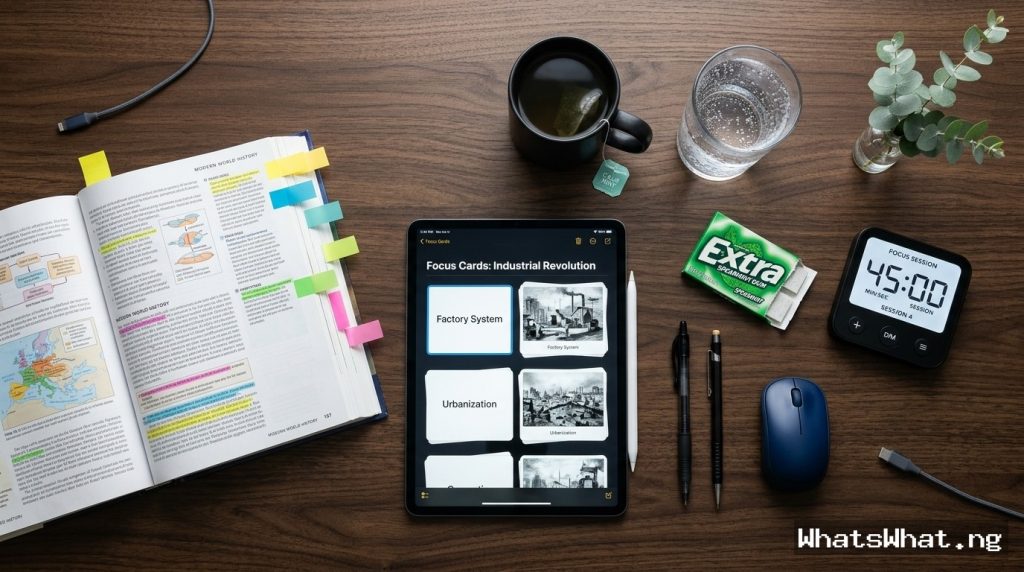
How to Stay Awake While Studying: 10 Proven Tips for Late-Night Focus
To stay awake while studying for exams, interviews or presentations; you need a combination of physical arousal and cognitive variation. Key strategies include drinking adequate water, pacing caffeine intake below 400 mg daily, taking 20-minute power naps, rotating subjects to avoid mental fatigue, and standing up to increase blood circulation.
The Challenge of Late-Night Study Sessions
When preparing for important educational exams, professional certifications, or high-stakes job interviews, simply keeping your eyes open isn’t enough. You need to remain alert, focused, and cognitively active to retain complex information under pressure.
Falling asleep over your notes is often a sign of physical fatigue, low blood sugar, or poor environmental setup. Instead of relying solely on high-sugar energy drinks that lead to rapid crashes, implementing structured habits helps sustain mental energy for hours.
10 Science-Backed Ways to Stay Awake and Alert While Studying
1. Fuel Your Brain with Balanced Nutrition
Heavy, high-fat, or refined-carbohydrate meals cause sudden blood sugar spikes followed by steep insulin crashes, leaving you sluggish and unfocused.
- Choose Sustained Energy: Opt for balanced options like fresh salads, vegetable soups, lean protein, and complex carbohydrates.
- Smart Sugar Boosts: When you need a quick pick-me-up, snack on whole fruits like apples or oranges containing natural sugars and fiber for steady energy release.
2. Stay Hydrated Throughout Your Session
Dehydration is one of the most common, overlooked causes of afternoon and late-night fatigue. Reduced water intake lowers blood volume, forcing your heart to work harder and making you feel excessively tired.
- Keep a reusable water bottle directly on your desk.
- Take periodic sips whenever you feel mental fog or sluggishness setting in.
3. Chew Gum to Stimulate Brain Activity
Chewing gum increases facial muscle activity and promotes cerebral blood flow, boosting daytime alertness.
- Keep a few packs of mint or citrus-flavored gum in your study area.
- Use a piece specifically when transitioning into a tough chapter or when feeling drowsy.
4. Rotate Your Study Topics (The Focus Pivot)
Staring at the same subject for hours causes sensory adaptation and cognitive fatigue, making your brain feel dormant.
Switch It Up: When you feel your reading speed slowing down, pivot to a completely different subject or task (e.g., move from reading history theory to solving math practice problems).
5. Strategic Caffeine Consumption
Caffeine blocks adenosine receptors in the brain, preventing the sensation of tiredness. However, timing and dosage matter.
- Recommended Daily Limit: 400 mg or less per day.
- Standard Cup of Coffee: ~95–100 mg caffeine.
- Best Strategy: Micro-dose in small amounts spaced out rather than chugging large doses all at once.
6. Refrain from Alcohol
Alcohol is a central nervous system depressant that disrupts normal brain wave patterns and sleep architecture. Avoid drinking any alcohol during study periods, save it for celebrations after your final papers!
7. Leverage 20-Minute Power Naps
If you are severely sleep-deprived, no amount of coffee will compensate for lack of rest.
- The 20-Minute Limit: A quick power nap lasting 20 to 30 minutes restores alertness without entering deep sleep (preventing sleep inertia or grogginess).
- Nightly Sleep: Target 7 to 8 hours of continuous night sleep to consolidate memory storage.
8. Get Up and Move Your Body
Physical movement releases endorphins and drives oxygenated blood back to the brain.
- Stand up every 45 to 60 minutes.
- Do jumping jacks, stretch your hamstrings and neck, or take a quick 5-minute walk around your room or hallway to reset your circulatory system.
9. Study in Groups or with a Partner
Studying alone in a quiet room makes it easy to nod off. Working alongside a classmate or joining a focused study group keeps you accountable, encourages active discussion, and keeps your brain engaged.
10. Optimize Your Study Environment (Don’t Get Too Comfortable)
Studying in bed or on a plush sofa sends a biological signal to your brain that it is time for sleep.
- Lighting: Use bright, cool-white overhead lighting rather than dim ambient lamps.
- Temperature: Keep the room slightly cool; warmth induces muscle relaxation and drowsiness.
- Ergonomics: Use a supportive chair, or transition to a standing desk setup.
Questions Frequently Asked
What is the fastest way to wake up when studying late at night?
The fastest way to boost immediate alertness is physical movement combined with cold water: stand up, splash cold water on your face, drink a glass of water, and do 60 seconds of light stretching or jumping jacks.
Is it better to stay up all night studying or sleep?
It is almost always better to sleep. Sleeping consolidates memories and transfers short-term study information into long-term memory. Pulling an “all-nighter” severely impairs cognitive recall, logical reasoning, and reaction time during the actual test.
How much coffee should I drink to stay awake while studying?
Keep your total caffeine consumption under 400 mg per day (approximately four 8-ounce cups of coffee). Space out small cups throughout the day rather than drinking a massive dose all at once.
Gear Up for Success on whatswhat.ng
Preparing for exams, professional upgrades, or setting up your ideal home study space?
Explore whatswhat.ng — Read career guides, buy and sell affordable study tech, laptops, and ergonomic desks on our Free Market, and promote your personal brand on Hype Link today!
Related:
7 Science-Backed Tricks to Improve Your Memory and Brain Power
Share

DELL LATITUDE 7440 Laptop
₦1,400,000 Negotiable

Mercedes Benz GLE 350 4matic 2020
₦72,000,000 Negotiable