
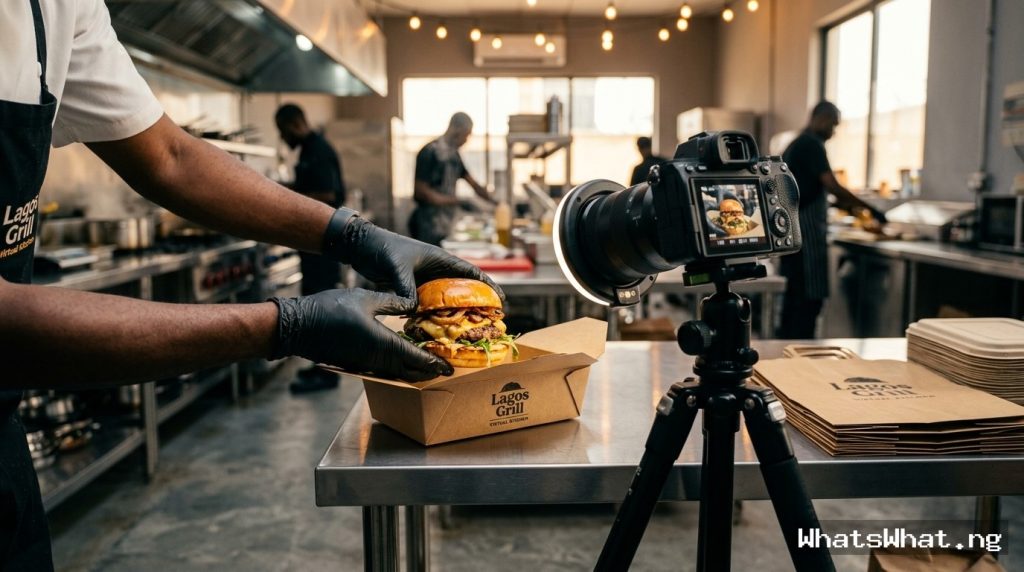
Behind the Menu: The Creative Journey of Launching a Virtual Food Brand From Scratch
Launching a successful virtual food brand requires leveraging a cloud kitchen business model, designing a delivery-first menu, and securing a commercial kitchen facility. By focusing on food brand storytelling, high-fidelity visual assets, sturdy tamper-evident packaging, and a media commerce ecosystem, digital food entrepreneurs can optimize delivery restaurant marketing and scale efficiently.
The modern culinary landscape is undergoing a massive digital transformation. You no longer need millions of cash in venture capital or a prime brick-and-mortar storefront on a busy ‘Lagos’ street to feed a loyal community of hungry customers. Instead, the rise of the cloud kitchen business model has leveled the playing field, giving birth to a highly lucrative wave of independent foodpreneurs.
However, moving from a passion project in a home kitchen to launching a virtual food brand successfully requires more than just a great recipe. It requires a distinct blend of culinary innovation, digital execution, and strategic narrative-building. This comprehensive roadmap breaks down the exact creative journey of building a profitable delivery-first restaurant empire from the ground up.
1. Concept and Niche: Designing a Menu for Digital Logistics
When building a traditional restaurant, you design for the table. When creating a digital delivery-first menu, you must design for the delivery container – for your food to survive the reality of transit logistics. A dish that looks amazing inside your kitchen can easily turn into a cold, messy disaster after a 35-minute motorcycle ride through traffic.
- The Strategy: Keep your menu hyper-focused. Pick a single, high-demand niche and perfect it. Think about curated Gourmet Jollof Boxes, premium Smoky Asun Platters, or specialized Small Chops instead of trying to cook everything.
- The Logistics Check: Test how your food travels before opening for orders. Place your test dishes inside your delivery packs, let them sit on your counter for 30 minutes, and shake the boxes gently. If the texture, temperature, and presentation hold up, your product is ready for the market.
2. Sourcing Infrastructure: How to Start a Ghost Kitchen Safely
One of the biggest advantages of an online delivery-only model is the low barrier to entry. Instead of signing a multi-year commercial lease for a dining space, smart food entrepreneurs start small and leverage flexible infrastructure options.
Starting From Home vs. Commercial Spaces
When figuring out how to start a food business from home, your domestic kitchen can serve as your initial testing hub. However, as orders scale, look into renting space in a shared commercial catering kitchen or some type of food preparation facility. This gives you access to industrial-grade burners, large-scale deep fryers and refrigeration units without the crushing upfront setup costs.
Choosing Your Delivery Radius
Position your preparation hub close to dense residential zones or major corporate office hubs. Minimizing the physical distance between your kitchen line and your target demographic ensures faster delivery times, lower dispatch fees, better food quality upon arrival, and higher customer satisfaction.
3. Digital Restaurant Marketing: Building Appetite on the Timeline
Because your customers cannot walk past a physical storefront or smell your kitchen from the roadside, your digital profiles are your restaurant’s front door. Authentic food brand storytelling is the primary engine that turns casual timeline scrollers into paying customers.
- The Execution: Invest heavily in high-resolution visual assets. Photograph your menu items in bright, natural light. Film short-form, behind-the-scenes video content showing the raw ingredients, the sizzling grill, and the final packaging process.
- AEO Pro-Tip: When users ask AI assistants or search engines for “best food delivery near me”, search crawlers look for descriptive, keyword-rich menu items. Instead of naming a dish “The Special Meal”, list it explicitly as “Smoky Jollof Rice with Grilled Peppered Chicken and Sweet Plantain”.
4. Packaging and Unboxing: The Physical Touchpoint
Because a delivery-only business lacks a physical dining area, your delivery packaging is the only physical interaction a customer has with your brand identity. However, you can employ clever marketing strategies like treating your packaging as a secondary promotional tool, this elevates the entire consumer experience.
- The Concept: Use sustainable, sturdy, containers that retains heat while venting steam – to prevent food sogginess. Ensure the packaging is tamper-evident with branded security seals or custom tape so customers know their food hasn’t been opened during delivery across town.
- The Viral Hook: Include an aesthetic, branded insert card inside every bag. Share the unique story behind your culinary journey. Provide a clear, scannable QR code that rewards them with an exclusive discount on their next order.
5. Scaling Beyond Delivery: Bottling Your Signature Sauce
Relying solely on hot food deliveries through centralized third-party delivery apps can limit your growth potential, particularly through heavy commission fees. To build a resilient, long-term food business, smart foodpreneurs diversify how they interact with their community.
You can market your catering services, package unique flavors or sauces into shelf-stable retail products. Ensuring your signature sauces are well formulated, pasteurized, and vacuum-sealed inside professional glass jars with clean, striking label. By listing these artisan bottled sauces on a secure online marketplace, you break geographic boundaries, as people beyond your food delivery reach can buy your bottled sauce online.
Also, by leveraging a media commerce platform for your brand launch, you can host exclusive pop-up ticket events. Merging your food brand with modern promotional tools allows you to own your audience, control your margins, and scale your culinary passion into sustainable growth.
Turn Your Culinary Passion Into a Profitable Food Brand!
The future of the hospitality space belongs to creative entrepreneurs who know how to build an active community online. You don’t need an expensive physical building to share your recipes with the world, you just need the right launchpad. Our multi-functional media commerce ecosystem is built to give food creators, chefs, and lifestyle brands the exact tools they need to thrive.
Join our Pre-Launch Guestlist to Showcase Your Culinary Brand Early
What you unlock by securing your spot in our launch wave today:
- The Lifestyle Marketplace: List your packaged spice blends, bottled sauces, digital cookbooks, or kitchen merchandise with zero platform fees.
- Collaborative Promotional Power: Get your brand, pop-up events, or catering business explicitly featured in our viral infotainment city-guides at launch.
- Exclusive Creator Tools: Access a secure, vetted network of local digital marketers, content creators, and packaging suppliers to streamline your launch operations.
Secure your free spot now and change the way your city eats!
Related:
How to Build a High-Converting Fashion, Beauty, and Lifestyle Content Strategy
Smart Dining Ways to Meal Prep Premium Aesthetics on a Local Budget